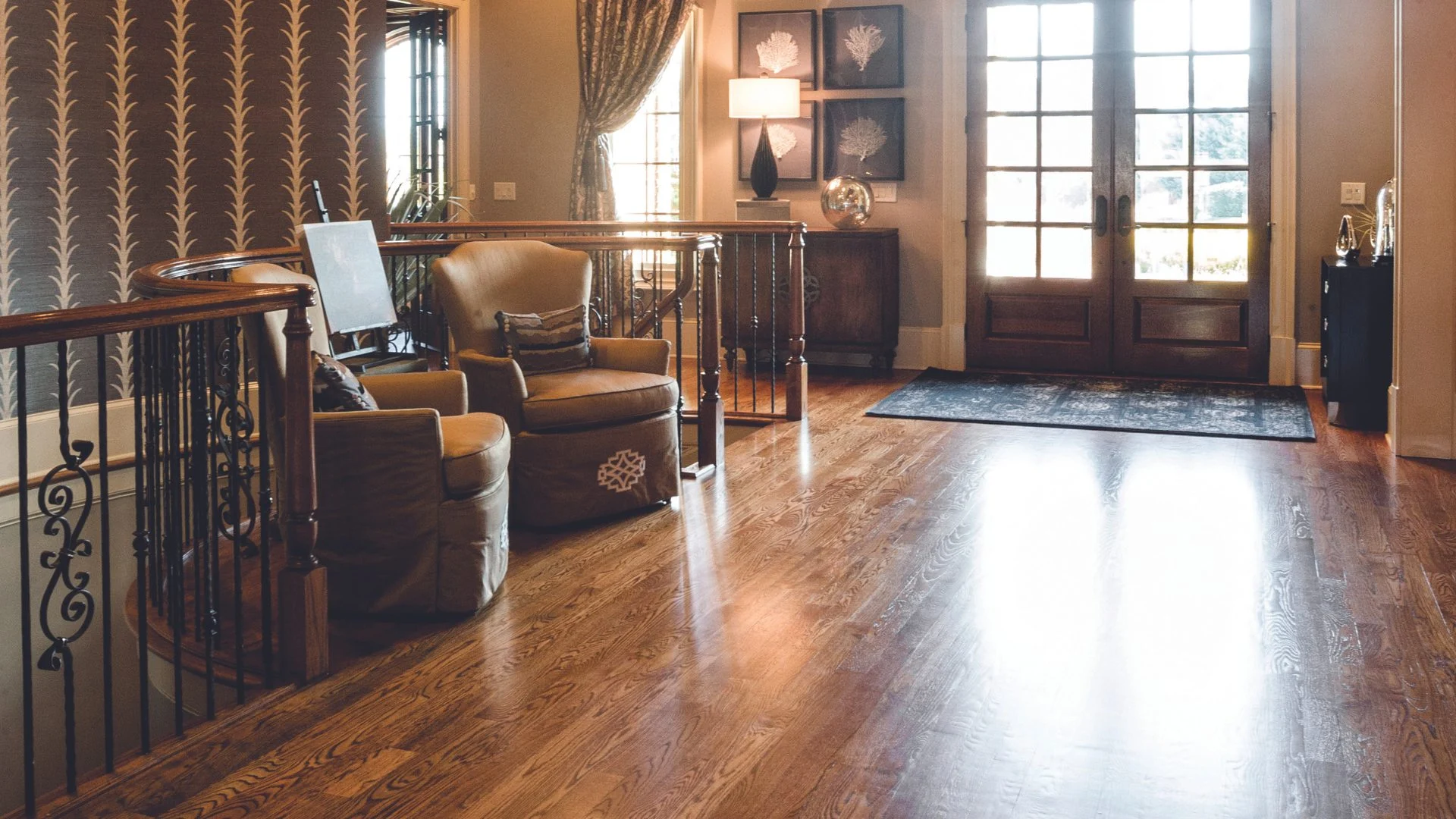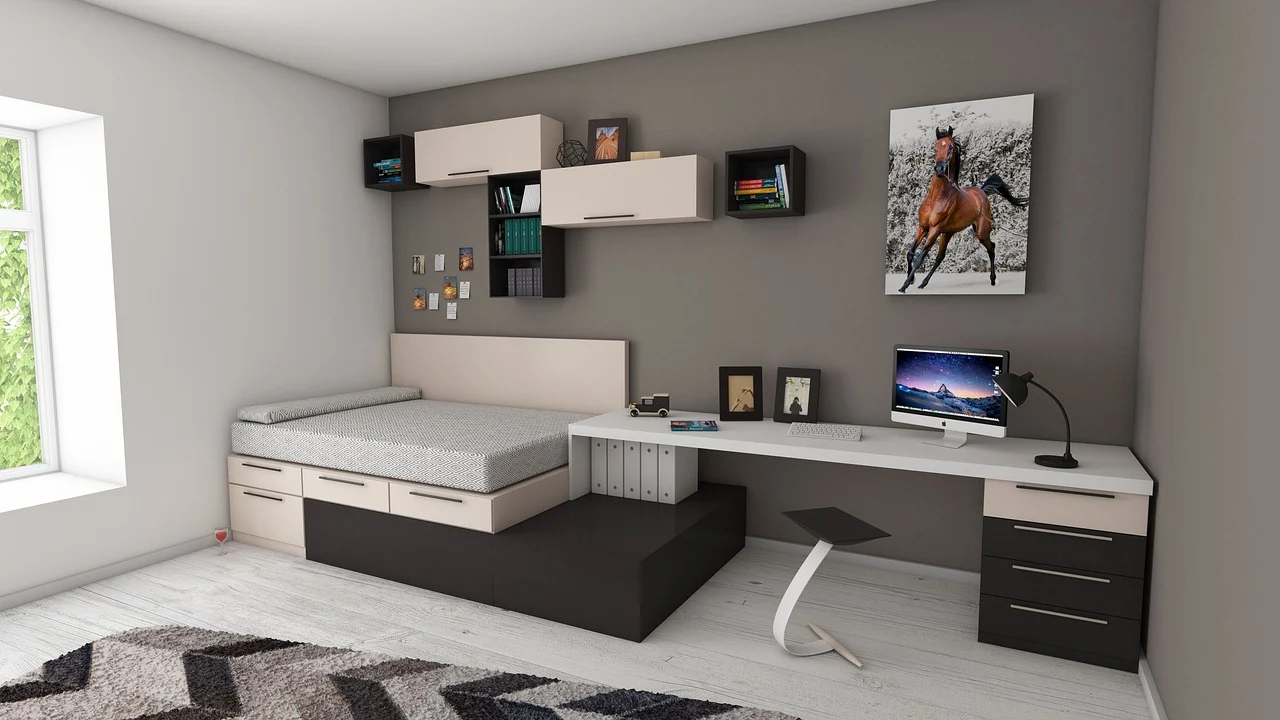
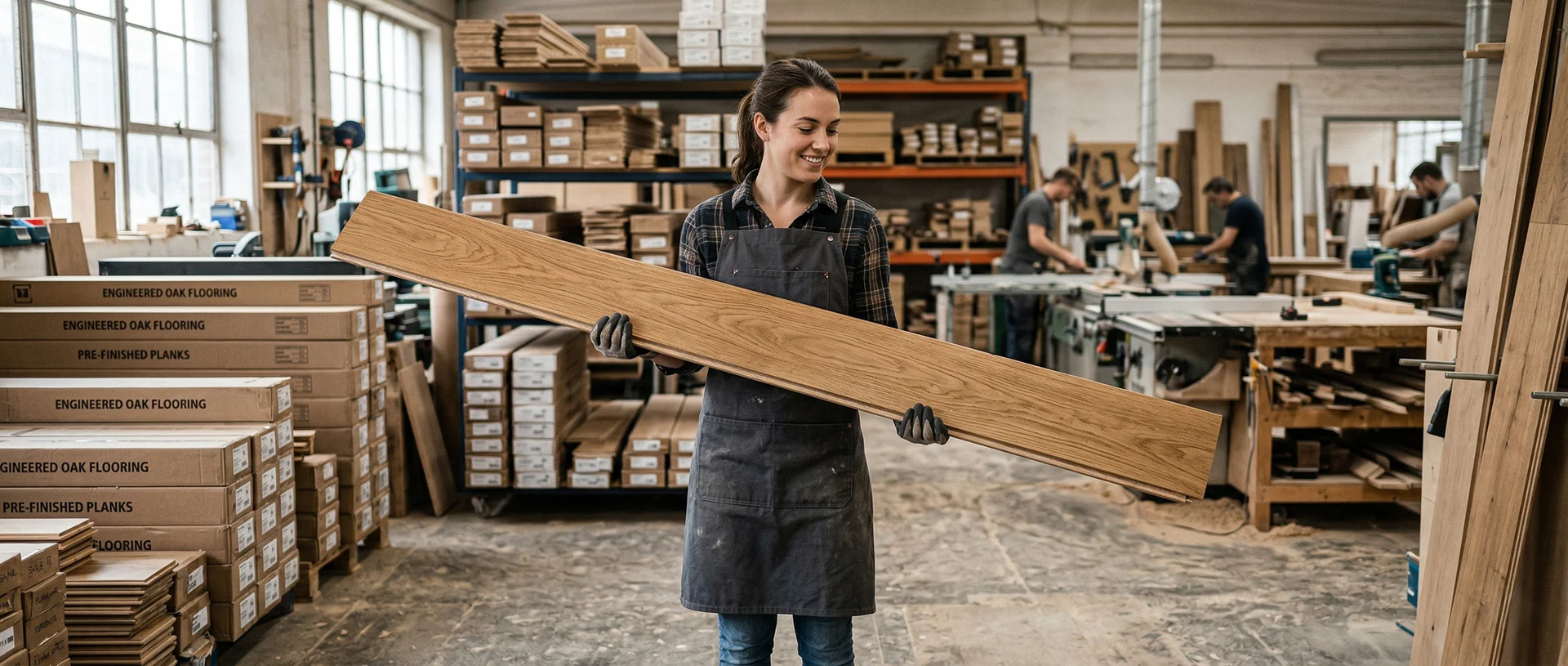
Choosing the right floor is a major investment for your home or commercial property. If you are currently researching different materials and aiming for the timeless, elegant look of real timber, you have likely asked yourself: what is engineered wood flooring?
While it looks completely identical to traditional solid wood once laid, it is actually constructed very differently beneath the surface to provide enhanced stability and durability. Our team of flooring experts has put together this comprehensive guide to explain exactly how these planks are made, their benefits, and why they might just be the perfect choice for your next renovation project.
Jump to a section:
- Answering the Question: What is Engineered Wood Flooring?
- Exploring What is Engineered Wood Flooring Made Of
- The Main Benefits of Engineered Planks
- Where Can You Install It?
- What is Engineered Wood Flooring: Frequently Asked Questions
- Transform Your Space with Flooring Factory Outlet
Answering the Question: What is Engineered Wood Flooring?
To simply answer the question of what is engineered wood flooring, it is a highly versatile, multi-layered flooring product designed to provide the authentic beauty of natural wood while eliminating the structural flaws of solid timber.
Because solid wood is a natural, porous material, it reacts heavily to its environment—expanding when it absorbs moisture and shrinking when the air is dry. Over time, this can lead to warping, cupping, or gaps between your floorboards. Engineered wood was specifically invented to combat this issue. By combining a top layer of real hardwood with a highly stable, engineered core, you get a floor that looks exactly like solid wood but performs significantly better in modern homes.
Exploring What is Engineered Wood Flooring Made Of
When researching what is engineered wood flooring made of, the secret to its incredible stability lies entirely in its cross-ply construction. A standard engineered plank is typically made up of two main components:
The Wear Layer (Top Veneer)
This is the top layer of the plank, and it is made from 100% real, premium hardwood—such as oak, walnut, or maple. Because this is the only part of the floor you will ever see or touch once it is installed, an engineered wood floor is visually indistinguishable from a solid wood floor. This layer is usually between 2mm and 6mm thick and is finished with protective oils or lacquers.
The Core Board
Beneath the real wood veneer sits the core. This is usually made from multiple layers of high-quality plywood or high-density fibreboard (HDF). These internal layers are glued together under extreme pressure, with the grain of each layer running at a 90-degree angle to the one above and below it. This criss-cross pattern restricts the wood’s natural tendency to expand and contract, giving the plank immense structural stability.
The Main Benefits of Engineered Planks
Now that you know the answer to what is engineered wood flooring, it is easy to see why it has become the preferred choice for homeowners and trade professionals alike. The main benefits include:
- Unmatched Stability: Thanks to its layered core, it handles fluctuations in temperature and humidity far better than solid wood, making it less prone to warping.
- Underfloor Heating Compatibility: Because it does not expand and contract drastically, most engineered wood floors are perfectly safe to use over modern underfloor heating systems.
- Eco-Friendly: Engineered wood uses significantly less slow-growing premium hardwood per plank than solid wood, relying instead on faster-growing, abundant timber for its core.
- Wider Planks: The structural stability allows manufacturers to create much wider and longer planks than would be possible with solid wood, perfect for achieving a contemporary look.
Where Can You Install It?
If you are asking what is engineered wood flooring best used for, you will be pleased to know that because of its robust construction, it can be installed in almost any room in the house. It is perfect for high-traffic areas like living rooms, hallways, and dining rooms. Its resistance to temperature changes also makes it an excellent choice for conservatories and basements, where solid wood would typically fail.
While it is more moisture-resistant than solid wood, you should still clean up spills immediately, and it is generally not recommended for full wet rooms or highly humid bathrooms without specialised waterproof finishes.
What is Engineered Wood Flooring: Frequently Asked Questions
Is engineered wood the same as laminate?
No. Laminate flooring uses a printed photograph protected by a melamine layer to imitate the look of wood. Engineered wood uses a top layer of actual, genuine hardwood, giving it a truly authentic texture, grain, and warmth.
Can engineered wood floors be sanded and refinished?
Yes, they can! Depending on the thickness of your top wear layer, an engineered wood floor can typically be sanded down and refinished between one and three times over its lifespan, allowing you to remove scratches and refresh the look of the room.
How do you install it?
Engineered wood is highly versatile when it comes to installation. Depending on the specific product profile, it can be glued directly to the subfloor, secret-nailed, or “floated” over an acoustic underlay using a simple click-and-lock system.
Transform Your Space with Flooring Factory Outlet
Now that you fully understand what is engineered wood flooring, whether you have decided that an engineered plank is exactly what your home needs, or you simply want to view the materials in person, Flooring Factory Outlet is your ultimate local destination.
Visit our Croydon showroom on Purley Way to browse over 270 lines of premium engineered wood flooring—including over 100 stunning herringbone designs. We buy clearance and end-of-line stock directly from the manufacturers, allowing us to pass on huge savings of up to 70% off typical high street prices. Open six days a week with free parking available, our friendly team is always on hand to help you find your perfect floor!